ADA-Compliant Concrete Sidewalks: What Property Owners Need to Know
Property owners seeking ADA-compliant sidewalk construction can rely on local contractors to ensure accessible, safe, and compliant concrete sidewalks that meet all regulations.
Property owners interested in ADA-compliant concrete sidewalks will find valuable insights on this page. Understanding the key requirements and practical considerations can help ensure sidewalks are accessible, safe, and compliant with regulations. Whether planning a new installation or upgrading existing walkways, exploring how local contractors can assist with ADA standards is a smart step toward creating inclusive outdoor spaces that serve everyone effectively.
For property owners in the area, maintaining accessible pathways isn’t just about meeting legal standards-it also enhances the usability and appeal of a property. Local service providers specializing in ADA-compliant sidewalk construction can offer guidance on design features, proper materials, and installation practices to meet accessibility needs. Keep reading to learn more about what’s involved and how experienced contractors can help make your property more accessible and welcoming.
- ADA-compliant sidewalk construction - property owners may need this service when updating existing walkways to meet accessibility standards, with local contractors ensuring proper slope, width, and surface smoothness.
- Sidewalk repair and leveling - when uneven or damaged concrete sidewalks pose accessibility issues, local service providers can restore compliance through proper leveling and surface correction.
- New concrete sidewalk installation - property owners planning to add accessible pathways can rely on local pros to design and install ADA-compliant sidewalks that meet all required specifications.
- Accessibility ramp construction - for properties requiring ramps alongside sidewalks, local contractors can integrate these features seamlessly into existing or new concrete walkways.
- Sidewalk expansion and modification - when existing sidewalks need widening or adjustments for compliance, local service providers can modify or expand concrete surfaces to meet ADA standards.
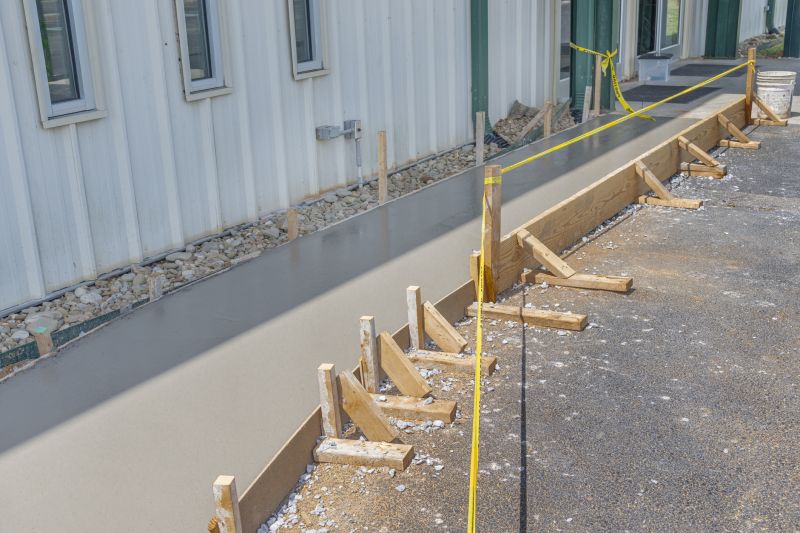
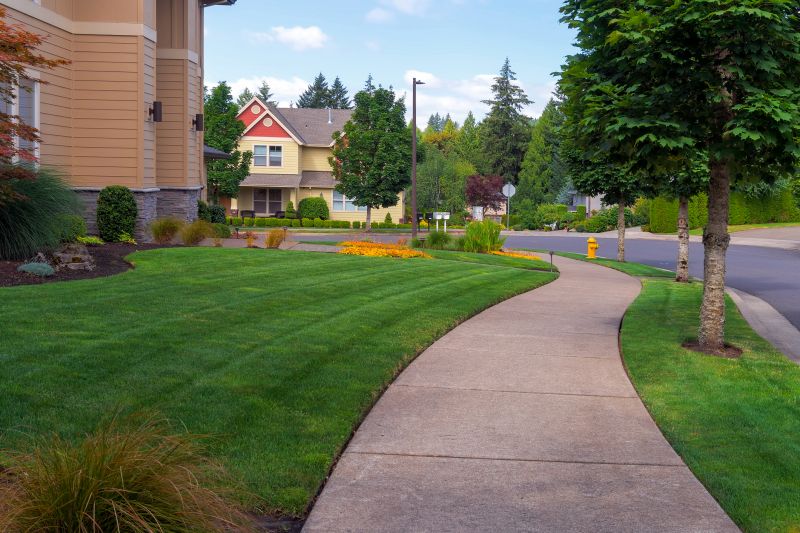
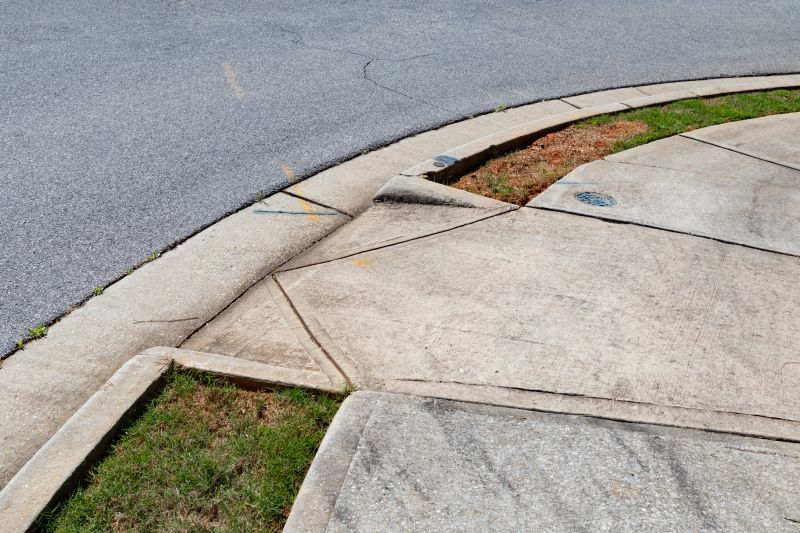
When property owners search for information about ada-compliant concrete sidewalks: what property owners need to know, they are often seeking guidance on how to make outdoor pathways accessible and compliant with federal standards. This topic typically arises in the context of improving accessibility for individuals with mobility challenges, such as those who use wheelchairs, walkers, or have other physical limitations. Property owners may be planning renovations, new construction, or upgrades to existing sidewalks to ensure they meet legal requirements and provide safe, unobstructed routes. Understanding what constitutes ada-compliance helps property owners avoid potential legal issues and creates a more inclusive environment for visitors, employees, or residents.
These projects are commonly related to commercial properties like retail stores, office buildings, and public facilities, but they are also relevant for residential properties such as apartment complexes, community centers, and senior living communities. In many cases, property owners are addressing existing sidewalk deficiencies, such as uneven surfaces, narrow pathways, or lack of curb ramps. Planning for ada-compliant sidewalks often involves assessing the current layout, identifying obstacles, and designing solutions that meet accessibility guidelines. Local contractors specializing in ada-compliant sidewalk construction can help navigate these requirements, ensuring that the finished project adheres to standards and provides safe access for all.
Problems that property owners encounter when working on ada-compliant concrete sidewalks include uneven surfaces, improper slope grades, and inadequate transitions between different levels of walkways. These issues can create hazards for individuals with mobility devices and may violate accessibility laws. Property owners often develop plans to retrofit or replace existing sidewalks to eliminate these problems, aiming for smooth, level surfaces with appropriate slopes and curb ramps. Local service providers experienced in ada-compliant sidewalk construction can assist with these upgrades, providing expertise in designing and building accessible pathways that meet legal standards and enhance the usability of outdoor spaces.
The types of properties that typically come up in discussions about ada-compliant concrete sidewalks are diverse, spanning both public and private sectors. Commercial properties such as shopping centers, restaurants, and government buildings frequently require accessible sidewalks to serve customers and visitors. Residential complexes, especially those with shared outdoor spaces, also need to ensure their sidewalks are accessible for residents and guests. Additionally, properties near parks, schools, and healthcare facilities often prioritize ADA compliance to meet community needs and legal obligations. Connecting with local contractors experienced in this specialized work can help property owners plan, design, and execute sidewalk projects that align with accessibility standards and support inclusive access for everyone.
Accessible Parking Lot Paving - this project involves designing and installing paving surfaces that meet accessibility standards, similar to ADA-compliant sidewalks, requiring attention to slope, surface smoothness, and clear pathways.
Curb Ramp Installation - installing curb ramps involves precise planning and construction to ensure smooth transitions between sidewalks and streets, aligning with accessibility requirements for property access.
Public Walkway Construction - creating walkways in public areas requires adherence to accessibility guidelines, making the skills and planning used in sidewalk projects highly relevant.
Driveway Apron Renovation - upgrading driveway aprons to meet accessibility standards involves concrete work that parallels the techniques used in ADA-compliant sidewalk construction.
Pathway and Trail Building - designing and building accessible pathways and trails involves similar planning and concrete skills, ensuring safe, level surfaces for all users.
Public Space Renovations - refurbishing parks and plazas to include accessible routes and surfaces requires expertise in ADA-compliant surface installation and planning, comparable to sidewalk projects.
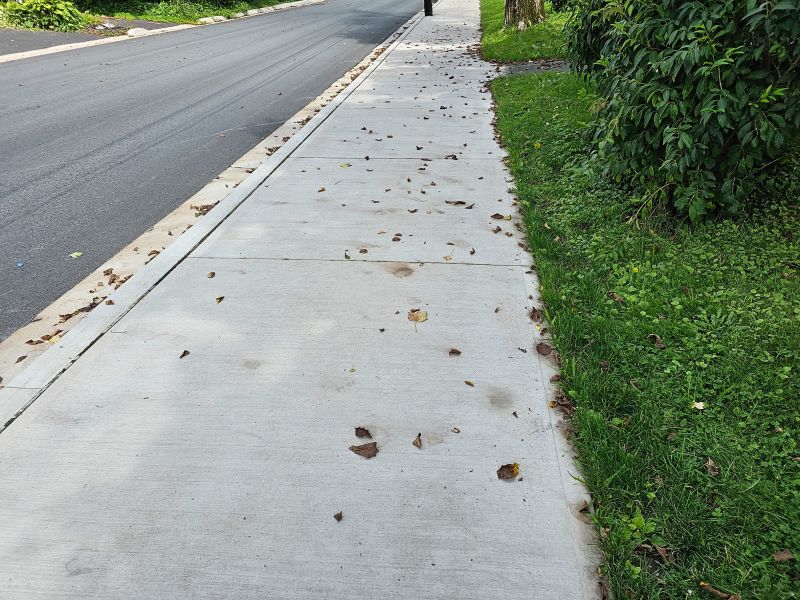
When comparing service providers for ADA-compliant concrete sidewalks, it is important for property owners to evaluate the experience of local contractors with similar projects. An established track record in constructing accessible sidewalks ensures that the contractor understands the specific requirements and standards involved. Property owners should look for service providers who can demonstrate familiarity with ADA guidelines and have completed projects that align with accessibility needs, helping to reduce the risk of costly adjustments or compliance issues later on.
Clear, written expectations are essential when selecting a contractor for sidewalk construction. Property owners should seek detailed proposals that outline the scope of work, materials to be used, and adherence to accessibility standards. This transparency helps ensure that both parties have a shared understanding of the project’s objectives and deliverables. Having well-documented expectations also provides a basis for evaluating whether the service provider’s approach aligns with the specific needs of the property, making the process smoother and more straightforward.
Reputable references and effective communication are key factors in choosing the right local contractor. Property owners are encouraged to request references from previous clients who had similar ADA-compliant sidewalk projects, providing insight into the contractor’s reliability and quality of work. Good communication throughout the project is equally important, as it facilitates timely updates, clarifies questions, and ensures that any adjustments or concerns are addressed promptly. Selecting a service provider known for responsiveness and professionalism can contribute significantly to a successful and compliant sidewalk installation.
Property owners often search for ada-compliant concrete sidewalks: what property owners need to know when they are planning practical projects around their homes and businesses. Local pros provide ADA-Compliant Sidewalk Construction services for everyday jobs and straightforward project options.
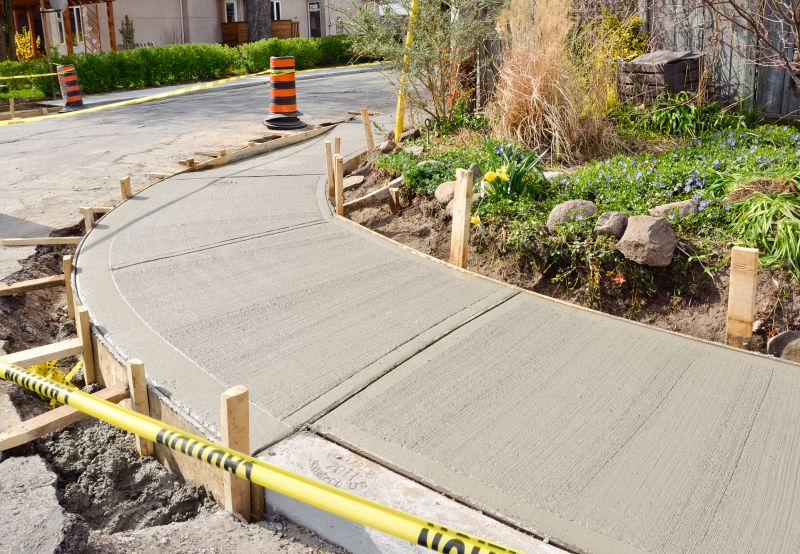
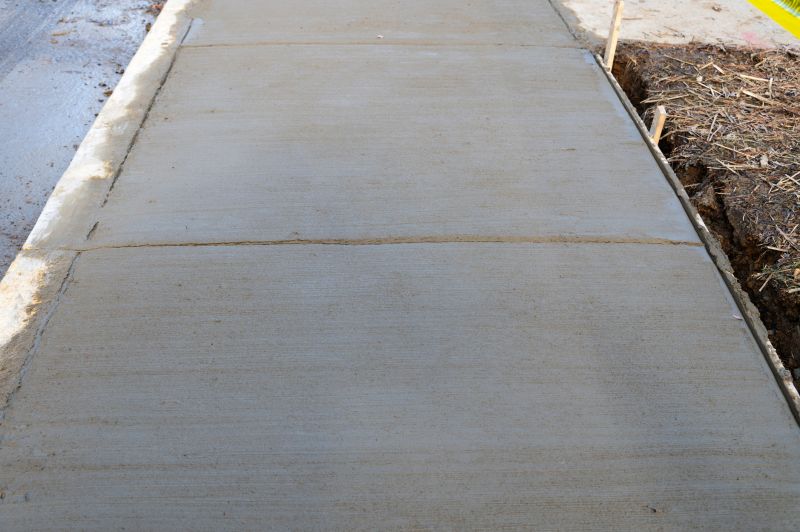
Property owners in the area often look up information about ada-compliant concrete sidewalks: what property owners need to know when planning or upgrading their sidewalks. Whether preparing for a new construction project, making repairs, or ensuring accessibility for all visitors, understanding the requirements can help avoid potential issues and ensure compliance. Many property owners turn to local contractors who specialize in sidewalk construction to get expert guidance on designing and building accessible pathways that meet ADA standards and local regulations.
Considering ada-compliant concrete sidewalks: what property owners need to know can also be a practical concern for those maintaining existing properties. Upgrading older sidewalks to meet current accessibility standards can improve safety and usability. Local service providers experienced in ADA-compliant sidewalk construction can evaluate current conditions and recommend appropriate solutions. Connecting with these specialists helps property owners ensure their sidewalks are accessible, compliant, and safe for everyone who visits or uses the property.
What are the main requirements for ADA-compliant concrete sidewalks? ADA-compliant sidewalks must have a minimum width of 36 inches, smooth and stable surfaces, and curb ramps where necessary to ensure accessibility for all users.
How do local contractors ensure sidewalks meet ADA standards? Local contractors follow ADA guidelines by designing and constructing sidewalks with proper slope, tactile warnings, and appropriate curb ramps to promote accessibility.
Are there specific measurements or features that need to be included in ADA-compliant sidewalks? Yes, features such as a maximum slope of 1:12, detectable warning surfaces at curb ramps, and clear width are essential components of ADA-compliant sidewalk design.
Can existing sidewalks be modified to meet ADA requirements? Yes, experienced service providers can retrofit existing sidewalks by adding ramps, adjusting slopes, or improving surface stability to meet ADA standards.
Why is it important to work with professionals for ADA-compliant sidewalk construction? Professional contractors understand ADA guidelines and local building codes, ensuring the sidewalk is accessible, safe, and compliant with all regulations.
Accessible Pathway Design - Property owners can work with local contractors to ensure sidewalks are designed with proper slope and width, making them accessible for all users.
Smooth Surface Construction - Local service providers can help create even, slip-resistant surfaces that meet ADA standards for safety and ease of use.
Proper Curb Ramps - Installing curb ramps at intersections and driveways with the help of local pros ensures seamless transitions for wheelchair users and pedestrians.
Compliance Planning - Property owners can collaborate with local contractors to plan and implement sidewalk modifications that meet ADA requirements and accessibility guidelines.
If you are thinking about ada-compliant concrete sidewalks: what property owners need to know for a property, this guide is meant to help you understand this topic, the typical project types, and how different options might fit your plans.
When you are ready, you can use the quote form on this page to share a few details about your project. From there, local pros can review the basics and follow up with options that match what you have in mind.